

By Sola Ojewusi
Legendary screen patriarch passes away in Enugu; family announces death in emotional statement, says funeral arrangements will be made public later.
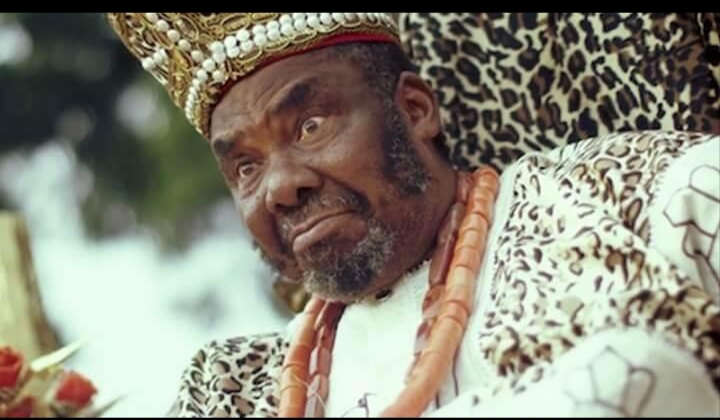
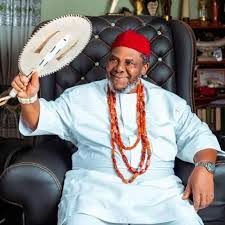
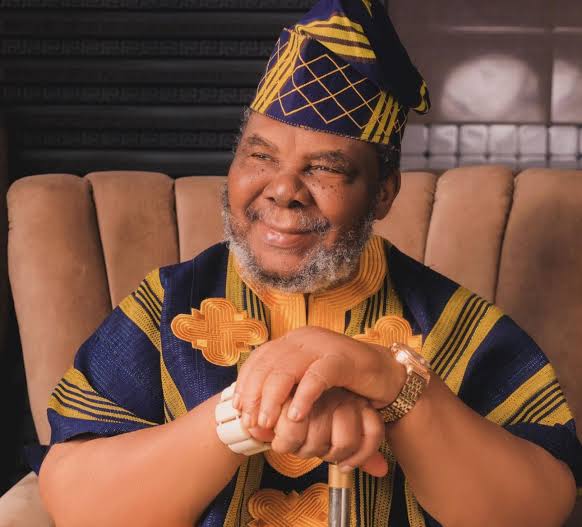
Veteran Nigerian actor and broadcaster, Chief Pete Edochie, MON, one of the most recognisable faces in the history of Nigerian television and cinema, has died at the age of 79.
The death of the celebrated actor was announced by his son, Chief Leo Pete Edochie, in a statement issued on behalf of the family on Wednesday, November 25, 2026. According to the family announcement, the veteran actor died at 12:30 a.m. on Wednesday in Enugu, Nigeria. The Guardian Nigeria
The statement, titled An Iroko Has Fallen, conveyed the family’s grief over the loss of a man whose influence extended beyond his immediate family to generations of Nigerian entertainment audiences.
“With profound sadness and hearts bowed in total submission to the will of Almighty God, we announce the passing of our beloved husband, father, brother and kinsman, Chief Dr Pete EDOCHIE, MON (Ononenyi), a retired broadcaster and veteran Actor,” the statement declared.
The family confirmed that Edochie was 79 at the time of his death and disclosed that he hailed from Akamnato, Ifite Nteje, Anambra State. He is survived by his wife, Barrister Mrs Josephine Edochie, his children, siblings and other family members.
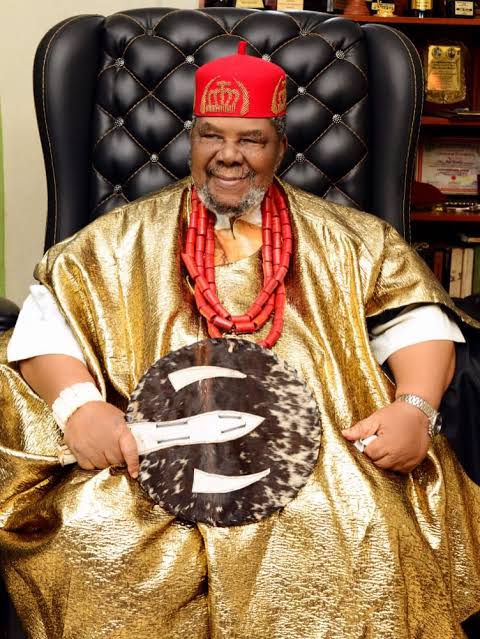
Funeral arrangements, according to the announcement, will be communicated in due course. The Guardian Nigeria +1
A career that helped define Nigerian acting
Pete Edochie’s death marks the end of an extraordinary chapter in Nigerian entertainment. For more than five decades, he occupied a distinctive place in the country’s cultural imagination, earning admiration for his commanding voice, measured delivery, imposing screen presence and remarkable ability to bring authority and complexity to his characters.
Born on March 7, 1947, in Zaria, Kaduna State, Edochie began his professional career in broadcasting in 1967. He worked with the Eastern Nigerian Broadcasting Corporation before rising through the ranks at the Anambra Broadcasting Service, where he held senior management positions, including Director of Programmes and Deputy Managing Director. News Indicator +1
His transition from broadcasting to acting would eventually make him one of the most influential personalities in Nigerian screen entertainment.
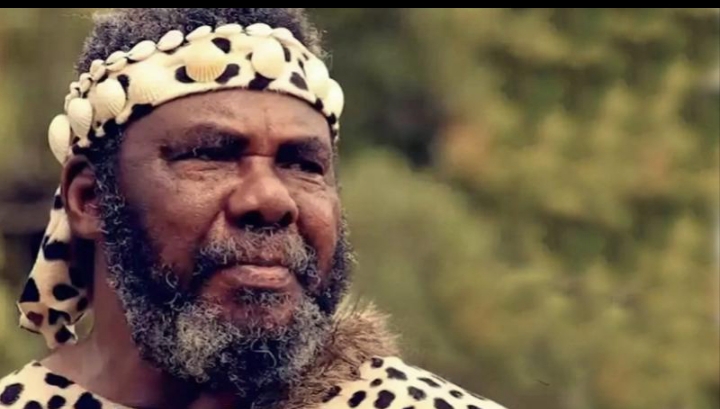
His defining breakthrough came in 1987 when he portrayed Okonkwo in the Nigerian Television Authority’s television adaptation of Chinua Achebe’s internationally acclaimed novel, Things Fall Apart.
The portrayal of Okonkwo, the proud, formidable and deeply conflicted Igbo warrior whose personal tragedy becomes inseparable from the cultural upheavals of his society, remains one of the most memorable performances in Nigerian television history.
Edochie’s interpretation gave a remarkable human dimension to Achebe’s literary creation. His commanding portrayal brought to life the character’s strength, pride, fears, contradictions and eventual downfall, introducing generations of viewers to one of African literature’s most enduring fictional personalities.
The role established him as a household name and helped secure his place in the evolution of Nigerian television drama and the subsequent growth of Nollywood.
The man behind the commanding screen presence
Over the years, Edochie became particularly associated with roles depicting traditional rulers, wealthy patriarchs, community leaders, elders and powerful family figures. His distinctive delivery, philosophical expressions and mastery of dramatic pauses made him instantly recognisable.
He became a familiar presence in numerous Nigerian films, including Igodo, Rituals, Billionaire’s Club and Lionheart, among other productions. News Indicator +1
His acting style was not merely about projecting authority. He brought a certain gravitas to his performances, often communicating layers of ambition, wisdom, arrogance, affection, cruelty and vulnerability through subtle changes in expression and voice.
For many Nigerian audiences, his screen identity became almost synonymous with the traditional African patriarch: a man whose words carried weight, whose presence commanded attention and whose decisions could alter the destiny of an entire family.
His influence also extended to younger generations of actors, many of whom came to regard him as an important figure in the development of Nigerian film acting.
National recognition and industry honours
Edochie’s contribution to Nigerian entertainment received national recognition in 2003 when he was conferred with the Member of the Order of the Niger (MON) by the Federal Government under President Olusegun Obasanjo.
He also received the Africa Magic Viewers’ Choice Awards Industry Merit Award in recognition of his contribution to African cinema. Vanguard News
These honours reflected a career that had transcended commercial filmmaking to become part of Nigeria’s broader cultural heritage.
Health concerns before his death
The news of his passing comes amid reports of health challenges in the period preceding his death.
According to reports by The Punch, Edochie died following a prolonged battle with prostate cancer. Punch Newspapers +1
His death will undoubtedly renew conversations about the health and welfare of veteran Nigerian entertainers, many of whom devoted decades of their lives to building an industry that has grown into one of Africa’s most influential creative sectors.
An enduring legacy
Pete Edochie’s career represented an important bridge between the golden age of Nigerian television drama and the emergence of contemporary Nollywood. He belonged to a generation of performers who established the foundations upon which much of today’s Nigerian film industry was built.
His portrayal of Okonkwo remains particularly significant because it demonstrated the capacity of Nigerian television to interpret major African literary works with artistic depth and international appeal.
Beyond the films, the characters and the awards, Edochie leaves behind a distinctive artistic identity that will be difficult to replicate. His voice, his delivery, his memorable expressions and his commanding interpretation of the African patriarch became enduring features of Nigerian popular culture.
For millions of Nigerians, he was more than an actor. He was a familiar presence in their homes, a storyteller whose performances became part of their collective entertainment experience.
His passing is therefore not simply the loss of a celebrated entertainer; it is the departure of one of the personalities whose work helped shape the identity and international recognition of Nigerian screen entertainment.
As tributes begin to emerge, the Nigerian film industry and audiences across Africa will have reason to reflect on the remarkable journey of an actor whose career spanned generations.
The Iroko has fallen. But the legacy of Pete Edochie will remain firmly rooted in the history of Nigerian cinema.
