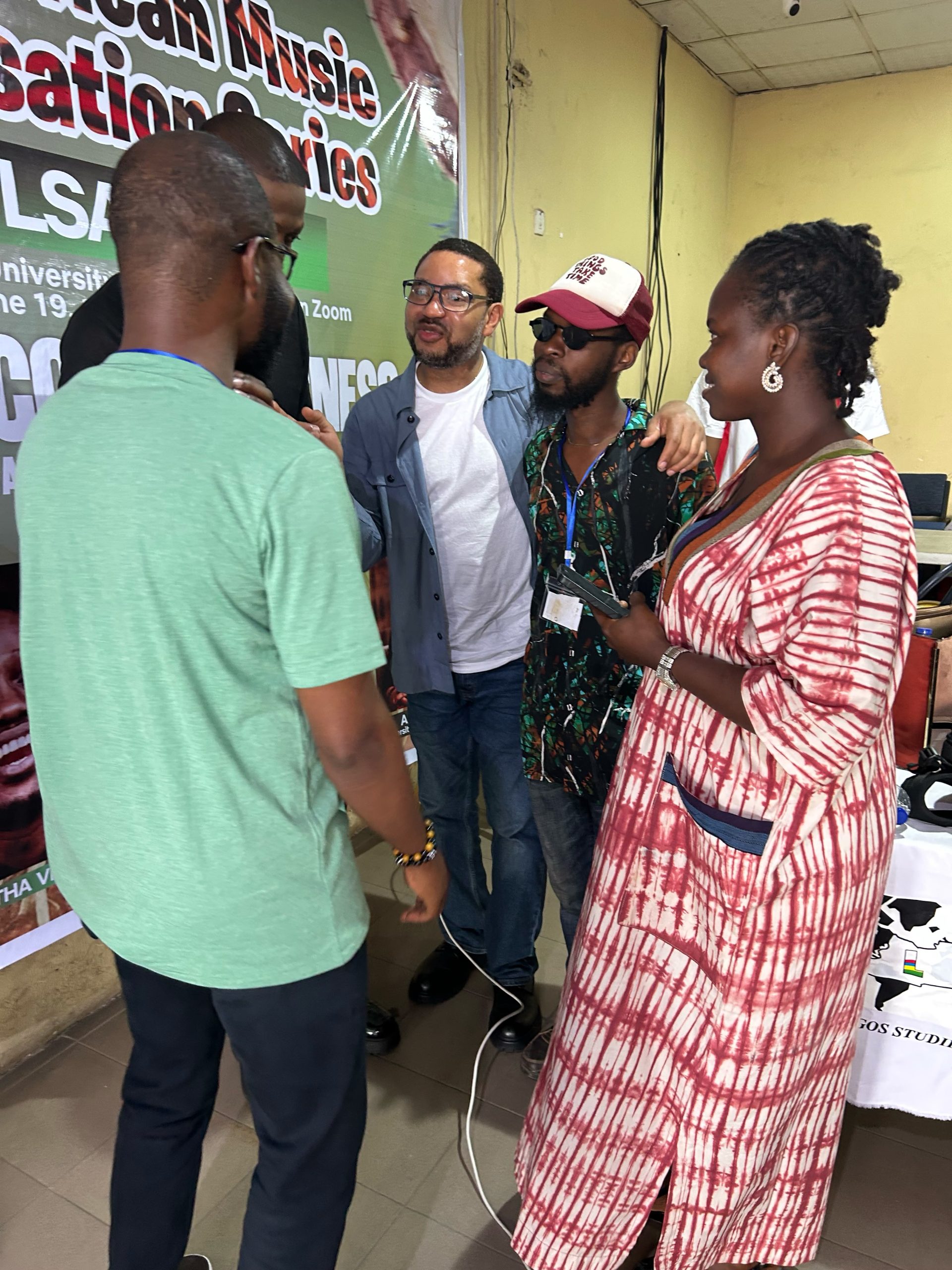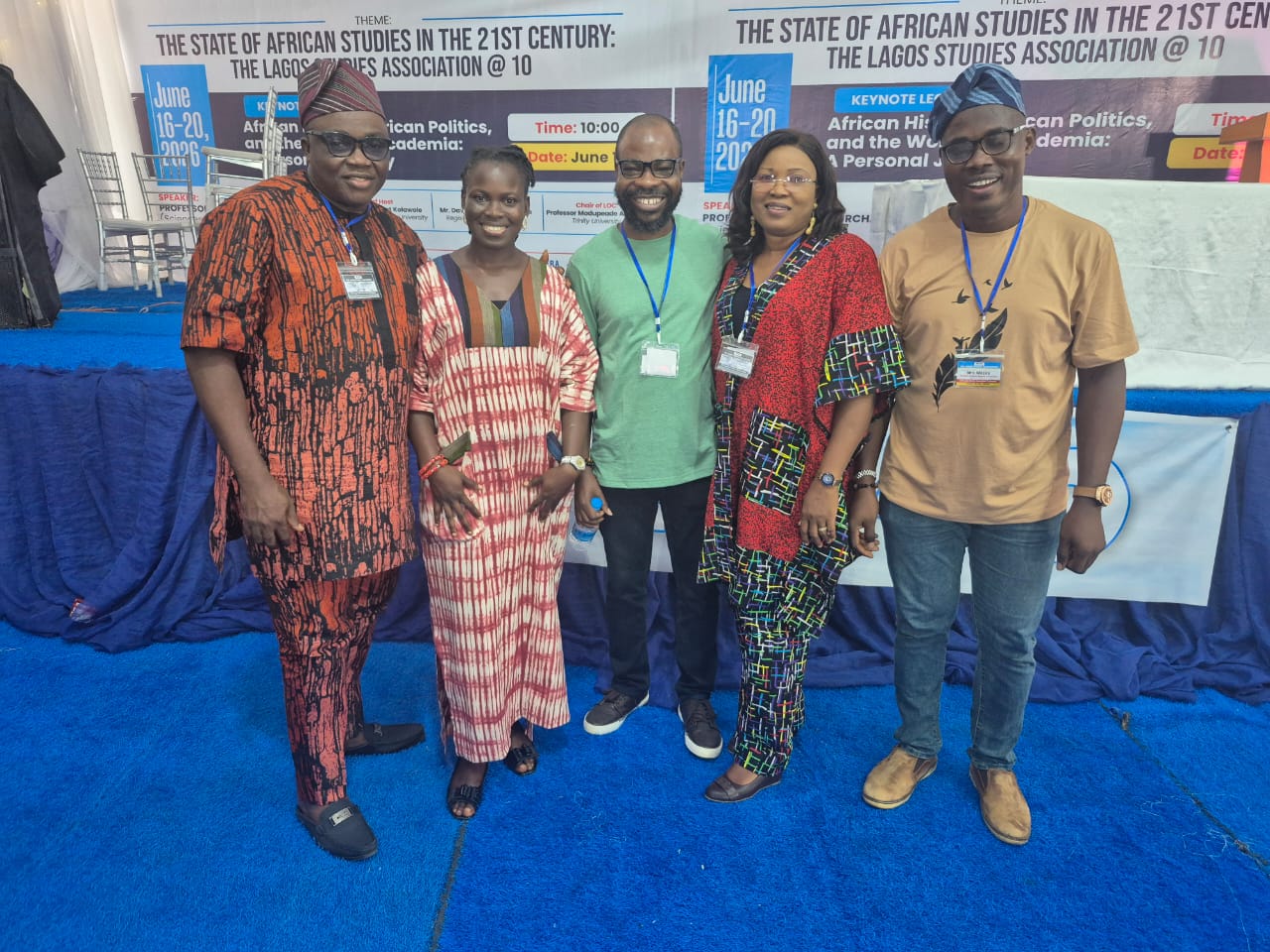
Rashidat Olamidayo Ajakaye, a Graduate Assistant Lecturer in the Department of Language, Arts and Social Science Education, Faculty of Education, Lagos State University (LASU), has garnered commendation following her outstanding academic presentation at the 10th Lagos Studies Association (LSA) Conference, held from June 16 to 20, 2026, at the University of Lagos.
The landmark conference, themed “The State of African Studies in the 21st Century: The Lagos Studies Association @10,” brought together scholars, researchers, cultural critics, creative artists, and policymakers from different parts of the world to discuss contemporary issues shaping African studies and cultural development. On June 19, 2026, Ajakaye presented her research paper titled “Technology and the Representation of Intercultural Relationship in Nollywood Movies: A Study of Femi Adebayo’s Seven Doors.” The study examined how technology-driven filmmaking and Nollywood narratives can promote intercultural understanding, national cohesion, and social integration in Nigeria through the representation of relationships that transcend ethnic and cultural boundaries.
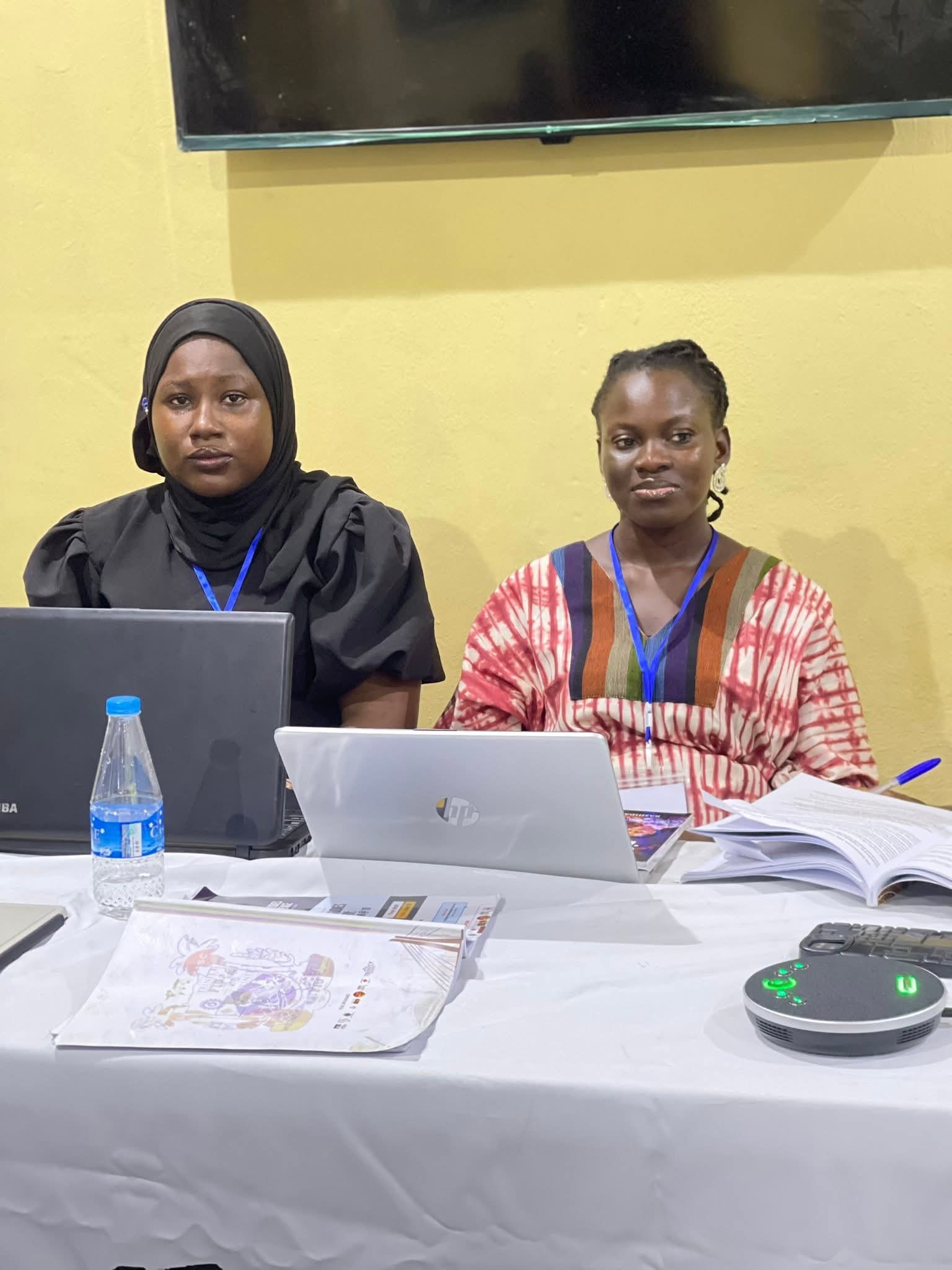
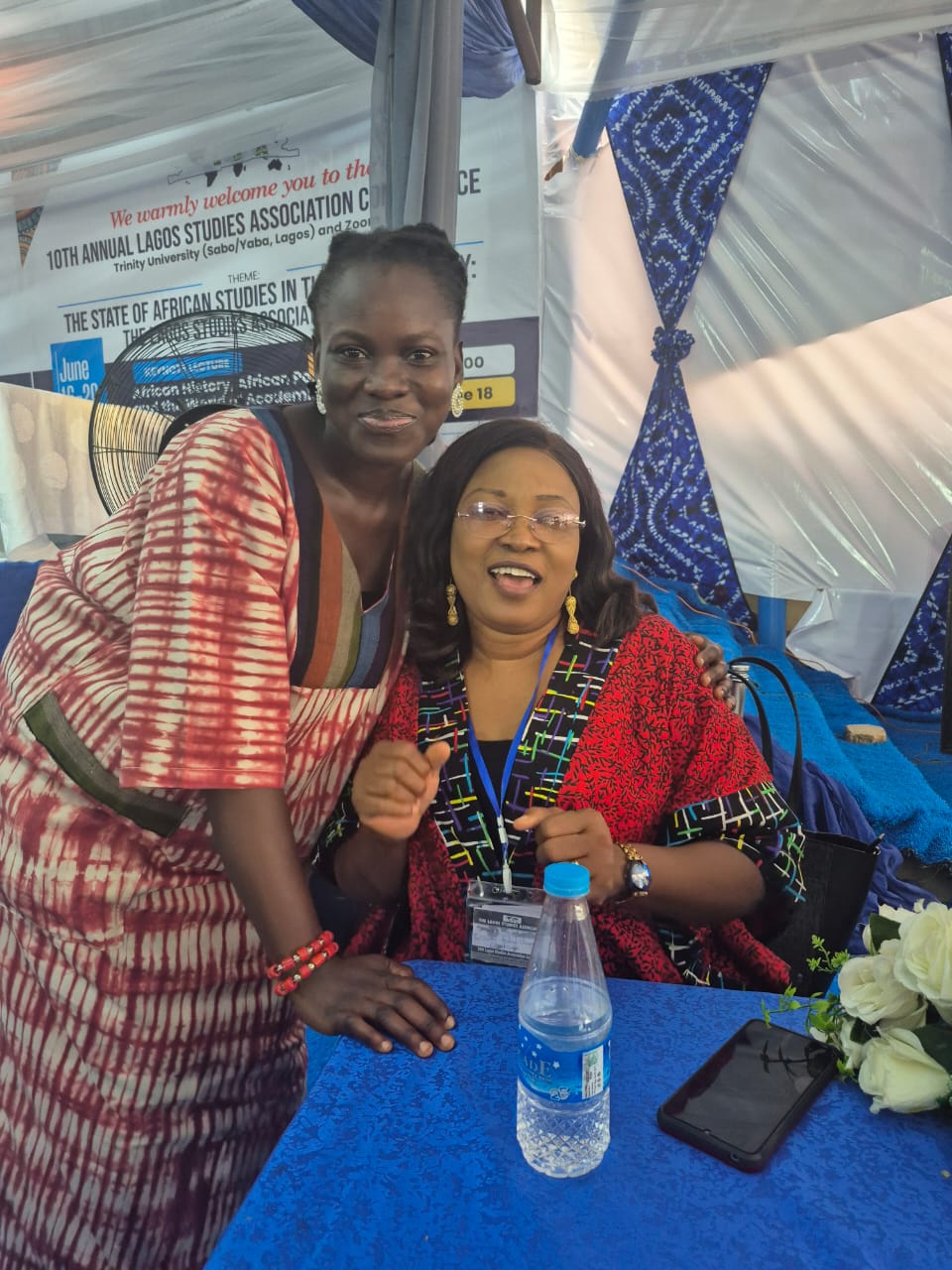
The paper, which attracted positive attention from participants, explored the role of cinema as a tool for addressing tribalism and fostering unity among Nigeria’s diverse ethnic groups. Through an analysis of Femi Adebayo’s acclaimed movie “Seven Doors,” Ajakaye argued that Nollywood remains a powerful medium for promoting patriotism, cultural appreciation, and peaceful coexistence. Her presentation formed part of the panel session titled “Nigerian Theatre, Drama and Film Beyond the Impact of Literature: Yesterday, Today and Tomorrow.” The panel featured notable scholars and industry experts and was chaired by Prof. Adedirin Kayode Ademiju-Bepo of the University of Jos, while Dr. Toyin Ogunsina and Dr. Yinka Smart Babalola of the University of Ibadan served as co-chairs.
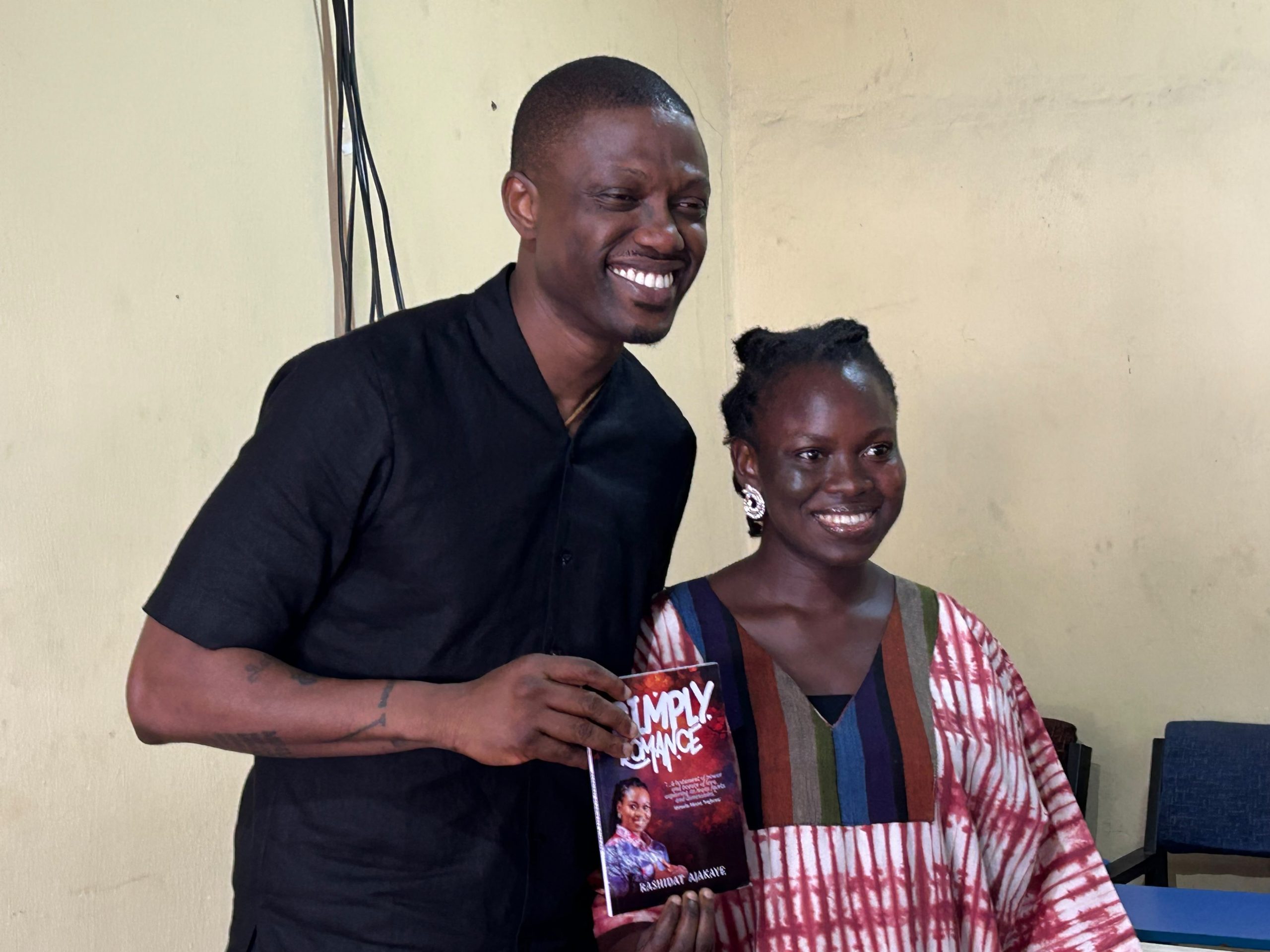
The conference also provided a unique networking platform for Ajakaye, who interacted with several distinguished personalities from academia, literature, media, and the entertainment industry. Among those she met was renowned Nigerian rapper and cultural icon Vector, to whom she presented copies of her published literary works, “Simply Romance” and “Shattered Shadows of Youths.” The gesture underscored her commitment to promoting literature and creative scholarship beyond the walls of academia. Another notable figure present at the event was Jamal Anikulapo, a respected journalist and media practitioner. Following the conference, Anikulapo published a concise journalistic adaptation of Ajakaye’s research on the Niger Times platform, helping to make her academic findings accessible to a broader audience beyond scholarly circles.
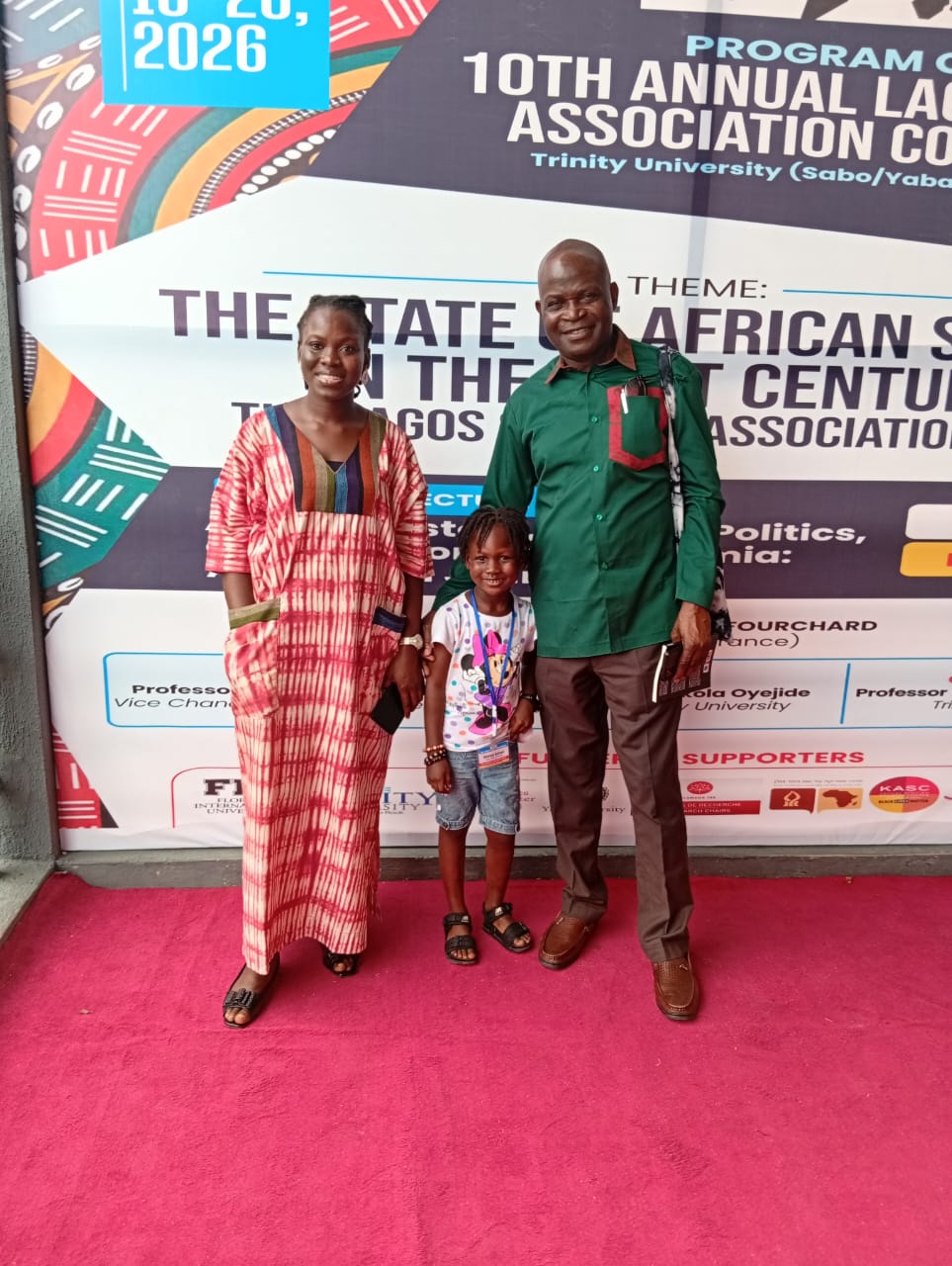

The event also witnessed the participation of Dare Sholarin, who played a significant role in facilitating discussions during the conference panel. His contributions, alongside those of other distinguished participants, enriched conversations on the future of Nigerian theatre, drama, film, and African cultural studies. Speaking after the conference, participants praised the quality of Ajakaye’s presentation, describing it as timely, insightful, and relevant to contemporary conversations about national identity, cultural integration, and the transformative influence of technology in African storytelling. The 10th LSA Conference received support from prominent institutions, including the African Studies Association, Yale University, the University of Lagos, and other academic partners. The conference further reinforced Lagos’ position as a leading hub for intellectual engagement and African scholarship.
For Rashidat Olamidayo Ajakaye, the successful presentation represents another significant milestone in her growing academic career and highlights the increasing contributions of emerging Nigerian scholars to global conversations on literature, culture, film studies, and national development. As discussions on African studies continue to evolve in the twenty-first century, Ajakaye’s work stands as a testament to the power of research, creativity, and interdisciplinary scholarship in shaping a more united and culturally conscious society.
© Abiodun Moshood Olowokogbajo