

By Sola Ojewusi
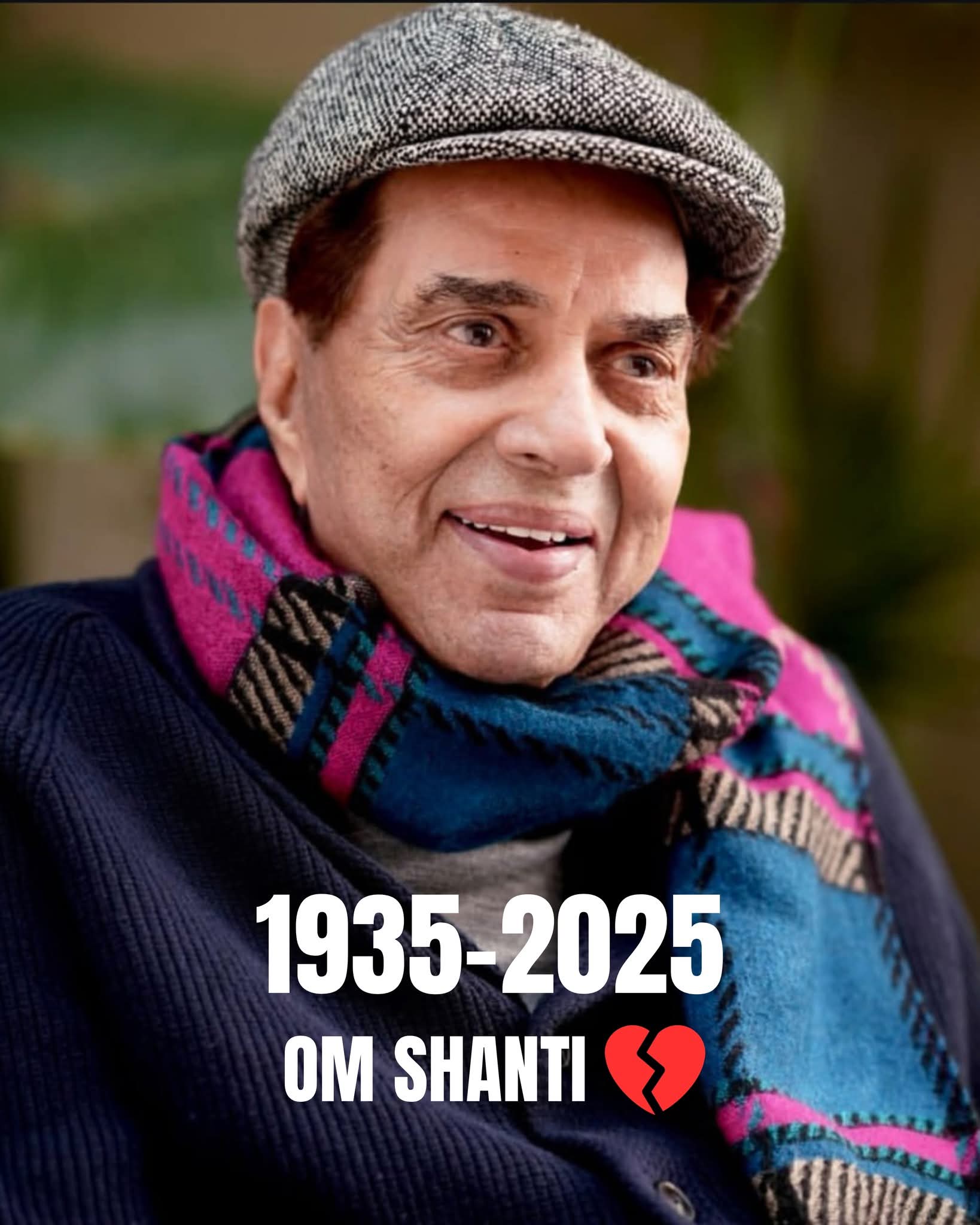
There are actors who entertain, and there are actors who endure. And then there are a few—very few—who transcend the boundaries of performance altogether, becoming part of the emotional architecture of a nation’s memory. Dharmendra belonged to this rarest category. His passing today, at the age of eighty-nine, feels like the earth has shifted slightly on its axis. Something steady, familiar, and deeply comforting has gone.
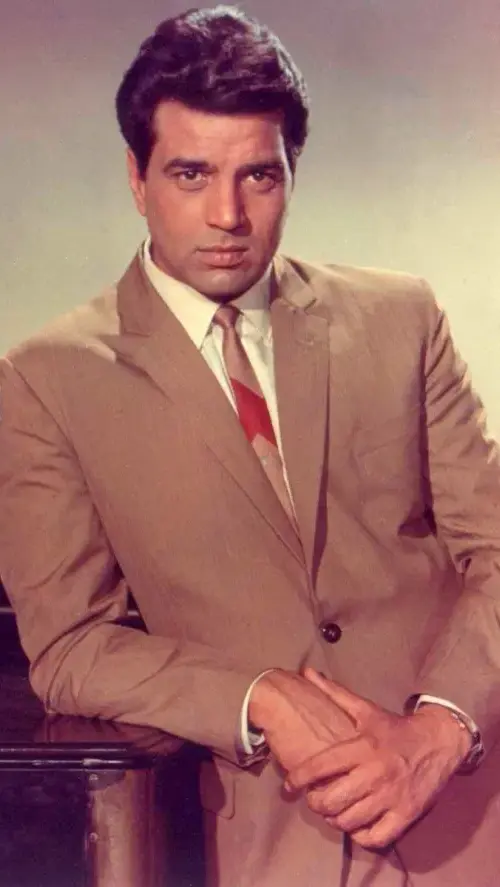
Dharmendra’s journey through Indian cinema was not merely long; it was rich, textured, and astonishingly diverse. Beginning in the early 1960s with films like Anpadh and Bandini, he introduced a screen presence defined by a quiet emotional intelligence. In Anupama (1966), his understated performance as the sensitive, observant writer reflected a kind of masculinity that needed no theatrics. It was enough that he felt deeply—and that we felt with him.
But the gentle romantic of the 1960s soon expanded into a phenomenon. With Phool Aur Patthar (1966), Dharmendra became a star of imposing presence, a man capable of anchoring entire films with a look, a stance, a stillness. Phool Aur Patthar not only made him a leading man—it announced a new idiom of screen heroism, one that combined strength with conscience.
In the 1970s, Dharmendra entered what many consider the most iconic phase of his career. He became not just an actor, but one of the defining faces of the era. Films such as Mera Gaon Mera Desh, Naya Zamana, Jeevan Mrityu, Dost, and Resham Ki Dori established him as a versatile, dependable performer, equally at home in romance, drama, and thriller.
And then came the film that ensured his immortality—Sholay (1975).
His portrayal of Veeru, half of the legendary Jai–Veeru duo, remains one of the most beloved characters in Indian cinematic history. Veeru was playful, loyal, reckless, brave, foolish, and irresistibly human. The chemistry he shared with Amitabh Bachchan, the warmth he projected in every scene, the emotional honesty he brought even to comedic moments—Sholay is unimaginable without him. Indian cinema’s greatest blockbuster rests on the shoulders of a performance that was both effortless and eternal.
But even as Sholay towered above the decade, Dharmendra’s other works formed an impressive constellation. He dazzled in Jugnu (1973), bringing charm and swagger to a role that became a cultural touchstone. In Azaad (1978), he played the flamboyant, mischievous masked hero with a lightness and flair that few could match. Pratigya (1975) showcased him as an action hero with moral center; Charas (1976) cemented his image as the rugged, globe-trotting protector. And the grand costume drama Dharam Veer (1977) remains one of Bollywood’s most iconic fantasy adventures—lifted to memorable heights by his commanding presence.
Dharmendra also headlined one of India’s most beloved multi-starrers, The Burning Train (1980), a high-octane thriller that still stands as a cult classic. His performance in Ghazab (1982), where he played dual roles, highlighted his underrated ability to blend comedy with emotional resonance. And in Raja Jani, Jaan Hatheli Pe, Samraat, and Katilon Ka Katil, he reaffirmed his stature as one of Bollywood’s most reliable leading men.
Yet to list his films alone would be an injustice. Dharmendra’s true gift was the emotional sincerity he brought to every role. In Satyakam (1969), often regarded as one of the greatest films in Hindi cinema, he delivered a performance of such moral intensity that it remains a benchmark for naturalistic acting. In Chupke Chupke (1975), his comedic brilliance emerged in full bloom—subtle, endearing, and effortlessly timed.
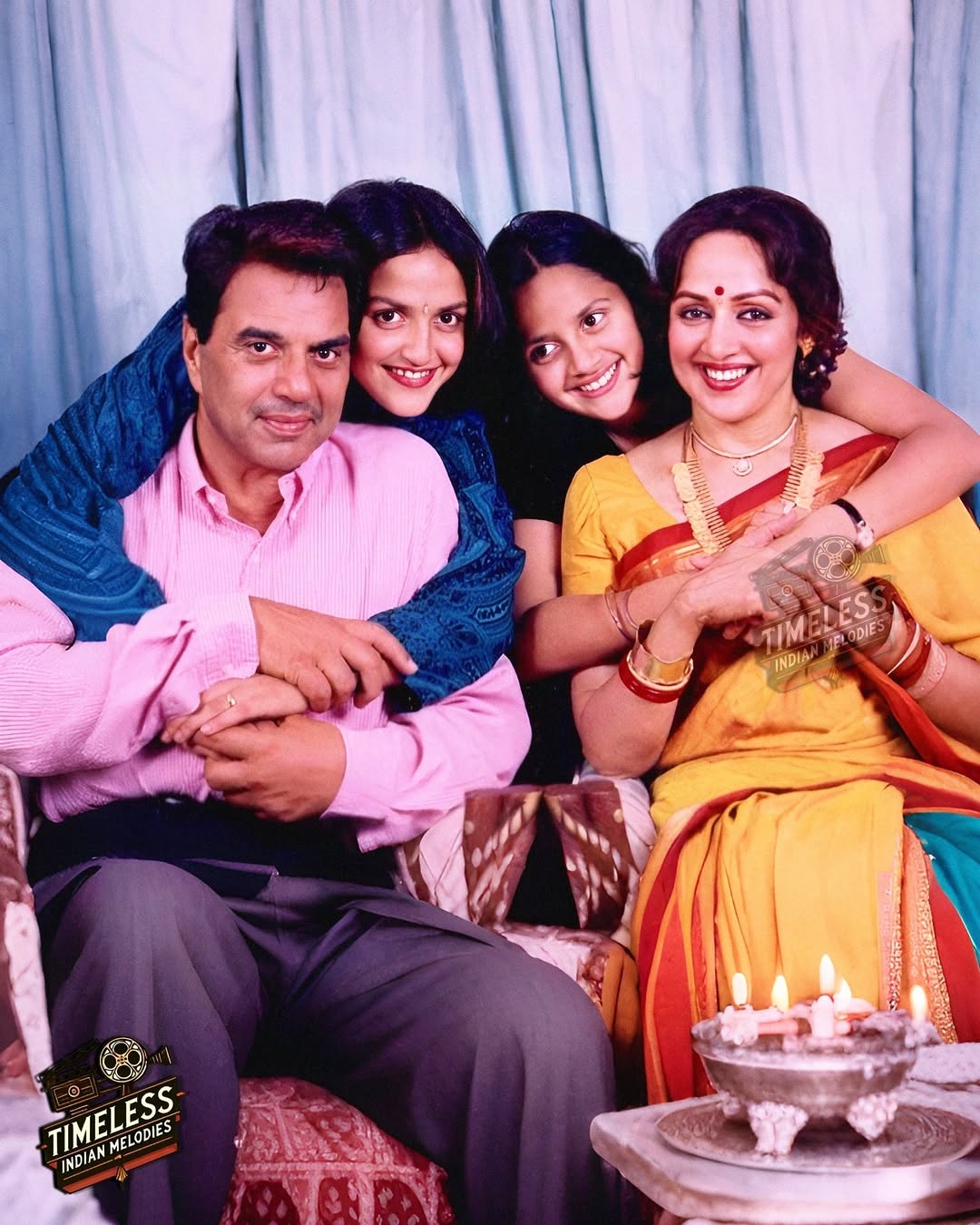
In Seeta Aur Geeta, he provided the perfect foil to Hema Malini’s double role, balancing masculinity with tenderness.
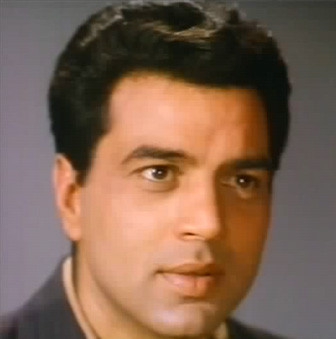
And the journey didn’t end with the golden decades.
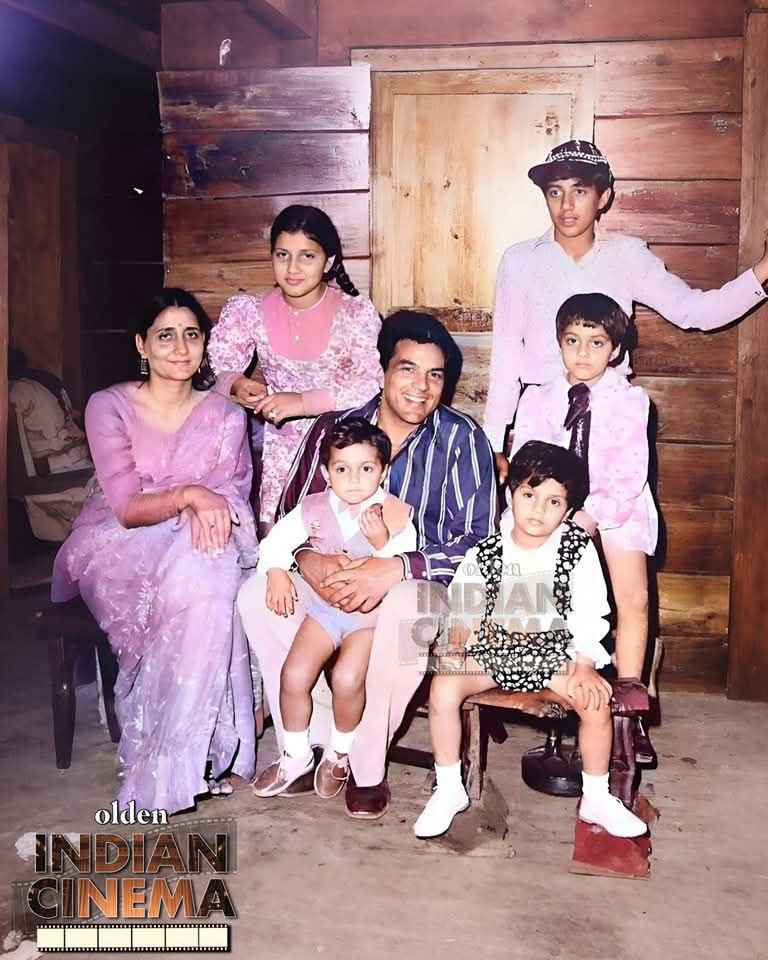
He ushered a new generation into cinema through films like Betaab (introducing Sunny Deol), and later appeared in Apne and the Yamla Pagla Deewana trilogy with his sons—a testament to his longevity and relevance. Even in his later years, his appearances in films such as Life in a… Metro and Family: Ties of Blood reminded audiences of the emotive power he carried, undiminished by time.
What, then, lies at the heart of Dharmendra’s legacy? Not merely his prolific filmography. Not his iconic dialogues, not even his irreplaceable screen presence.
It is, instead, the human being beneath it all.
Those who worked with him speak of a man deeply rooted in humility. Despite being heralded as one of the most handsome men ever to grace the Indian screen, Dharmendra carried his stardom lightly. He was gentle with junior actors, respectful to colleagues, warm to fans, and unfailingly kind to strangers. He moved between stardom and simplicity with an ease that suggested he never fully believed in the myth of his own fame.
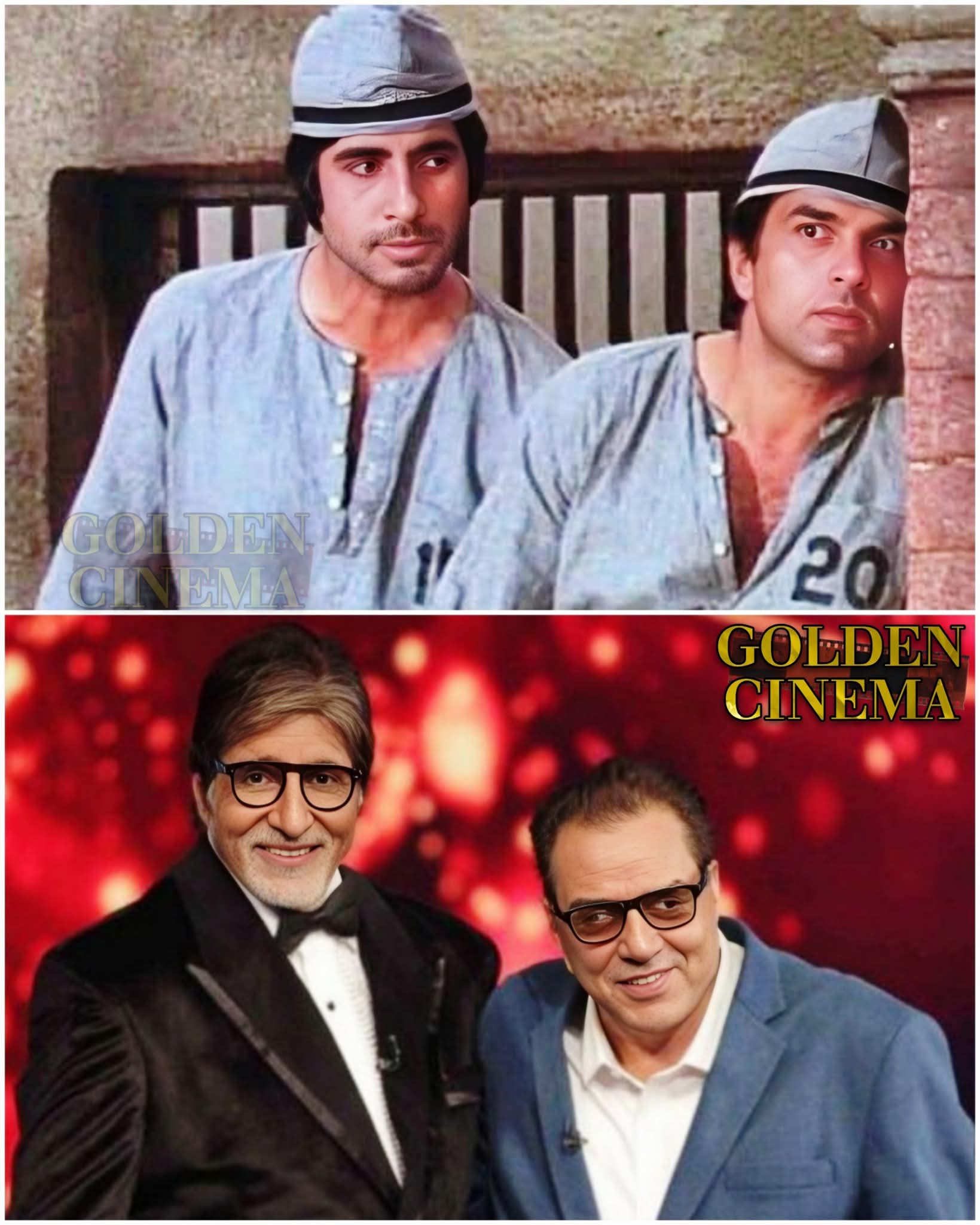
And this—more than the films, more than the fame—is what makes his death today resonate so deeply. Dharmendra represented a kind of goodness that feels increasingly rare, a kind of gentleness that cinema has slowly relinquished, a kind of sincerity that cannot be taught.
His passing marks the end of an era—not just of Bollywood history, but of a world where idealism sat comfortably beside entertainment, and where heroes could be strong without being hardened.
Dharmendra is gone.
But the world he built, the emotions he shaped, and the kindness he embodied remain.
He leaves behind not a void, but a quiet radiance—the steady glow of a life lived with integrity, humility, and heart.
In remembering him, we honour not merely the star, but the man.
A man who, across six decades of cinema, showed us that gentleness is strength, that sincerity is art, and that goodness, when carried with grace, can become a form of immortality.
May he rest in peace, and may his memory continue to warm the generations that loved him dearly.
