

By Peter Omopo
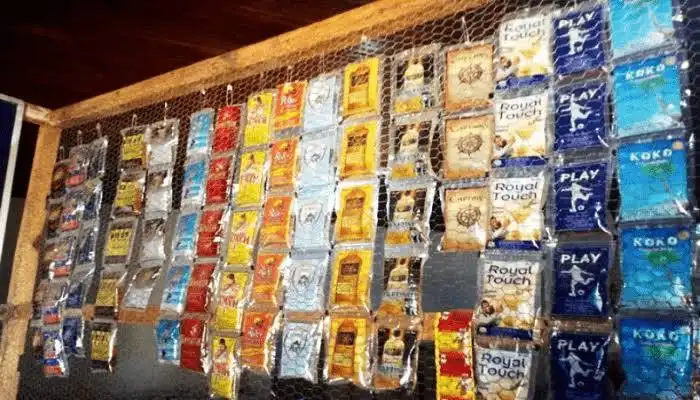
The Food, Beverage and Tobacco Senior Staff Association of Nigeria (FOBTOB) has raised alarm over the Federal Government’s planned ban on sachet alcoholic drinks and alcoholic beverages in PET or glass bottles below 200ml, warning that the policy could endanger over 5.5 million jobs and wipe out nearly N2 trillion in industry investments.
The ban, scheduled to take effect on December 31, has sparked concern across the beverage manufacturing sector.
Speaking at a press conference in Lagos on Friday, FOBTOB President Jimoh Oyibo said enforcing the ban would trigger massive economic disruption and threaten livelihoods across the entire alcohol value chain.
“Repealing the order would avert the grave repercussions that would most definitely follow the ban, especially by saving approximately 5.5 million jobs, both direct and indirect,” Oyibo said.
He urged the Senate to convene a public hearing before implementing the restriction, insisting that stakeholders must be given an opportunity to present their positions.
“For a fair hearing and to demonstrate good faith, the Senate should invite relevant stakeholders to a Public Hearing to ‘hear the other side’ and be adequately informed to make an informed decision,” he added.
Previous NAFDAC Ban Still a Concern
Oyibo referenced a similar ban by the National Agency for Food and Drug Administration and Control (NAFDAC) last year, which was suspended after public outcry, labour protests, and a House of Representatives–led hearing that directed NAFDAC to collaborate with manufacturers in developing a more sustainable policy.
Following that intervention, the Ministry of Health granted a one-year extension for the completion of a National Alcohol Policy, which was finalised and validated in October 2025 with NAFDAC’s involvement.
Economic Fallout Could Be Severe
FOBTOB warned that the impending ban could devastate the sector:
- N2 trillion worth of machinery and raw material investments may be lost
- Over 500,000 direct jobs and around five million indirect jobs, including those of distributors, suppliers, transporters, and marketers, are at risk
- Small and medium manufacturers could face collapse, discouraging further industrial investment
- Smuggling and circulation of unregulated alcoholic products may increase
- Government revenue from excise duties and taxes may sharply decline
Oyibo cautioned that the ban, if enforced without considering the wider value chain, could worsen poverty levels.
“With rising unemployment and no safety nets, this ban will plunge families into poverty. The very children the policy claims to protect may be forced out of school if their parents lose their jobs,” he said.
The union urged lawmakers to adopt the validated National Alcohol Policy as a balanced, multi-sectoral alternative to an outright ban.
As the December deadline approaches, industry leaders and workers continue to mount pressure on the government to reconsider or suspend the policy.
