

By Peter Omopo
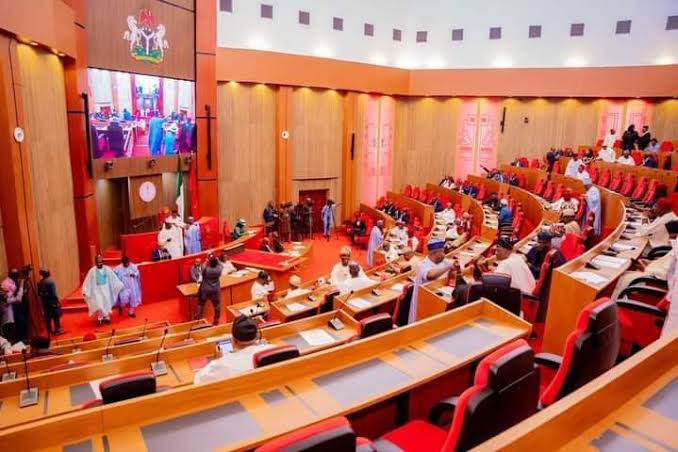
The Nigerian Senate has begun consideration of a Bill seeking to establish a National Centre for Autism and six zonal centres across the country to promote research, diagnosis, education, and care for individuals with Autism Spectrum Disorder (ASD).
The proposed legislation, sponsored by Senator Natasha Akpoti-Uduaghan (Kogi Central), aims to institutionalise early detection and intervention for children and adults with autism, while also driving awareness, professional training, and inclusion nationwide.
Leading debate on the Bill titled “An Act to Establish the National Centre for Autism and Six Zonal Centres for Autism Diagnosis, Research, Education, and Care; and for Related Matters,” Akpoti-Uduaghan described the initiative as “long overdue” and essential to Nigeria’s social and public health advancement.
According to her, the proposed centres will be located in Kaduna, Bauchi, Enugu, Port Harcourt, Ibadan, and Abuja, ensuring equitable access across Nigeria’s six geopolitical zones. The main centre in Abuja will serve as the national headquarters, coordinating research, training, and policy formulation.
Citing data from the World Health Organisation, the senator noted that one in every 100 children globally is diagnosed with autism. However, she expressed concern that Nigeria’s actual prevalence rate is likely much higher due to low awareness, poor diagnosis, and inadequate public health structures.
“Many children with autism are mislabeled as stubborn, mentally ill, or possessed — leading to rejection, abuse, and lifelong exclusion,” Akpoti-Uduaghan said. “Teachers lack the training to support these learners, hospitals lack diagnostic facilities, and parents face enormous emotional and financial strain.”
The senator explained that the Bill seeks to “bridge these gaps by providing a federal response to a developmental and public health challenge,” while promoting equity and inclusion for people with neurodevelopmental disorders.
Under the proposal, each zonal centre will provide diagnostic, therapeutic, and educational services, serve as referral hubs for state facilities, and lead community-based awareness campaigns.
“This Bill is an act of social justice, empathy, and national foresight,” she said. “It represents our collective recognition that every Nigerian life matters, regardless of neurological or developmental differences. It is a call to give children with autism a chance to thrive, learn, and contribute to our great nation.”
The Bill received widespread bipartisan support from senators, many of whom praised its emphasis on inclusion, institutional reform, and support for families affected by autism.
Senate President Godswill Akpabio commended the initiative and referred the Bill to the Senate Committee on Health (Secondary and Tertiary) for further legislative action. He directed the committee to engage with relevant stakeholders to ensure the final framework reflects Nigeria’s realities and needs.
If enacted, the Bill would mark Nigeria’s first comprehensive federal law dedicated to autism research, diagnosis, care, and inclusion — a landmark step toward protecting the rights and improving the lives of people with autism nationwide.
