

By Peter Omopo
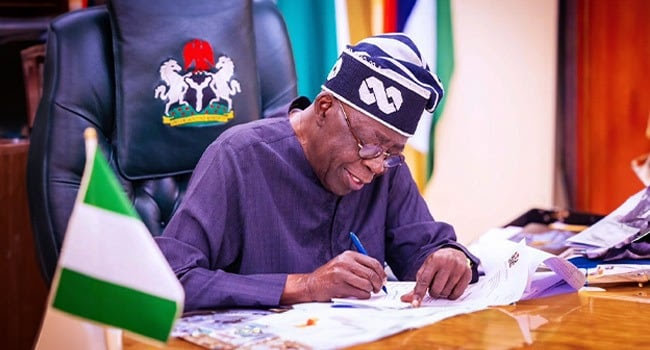
Abuja | In a major shake-up of Nigeria’s security architecture, President Bola Ahmed Tinubu has approved the replacement of key Service Chiefs, signaling a renewed commitment to enhancing the operational effectiveness and professionalism of the Armed Forces.
The announcement, made on Friday through a statement signed by the Special Adviser to the President on Media and Public Communication, Sunday Dare, stated that the changes were part of ongoing efforts by the Federal Government to strengthen the national security framework and ensure a more coordinated approach to tackling the country’s security challenges.
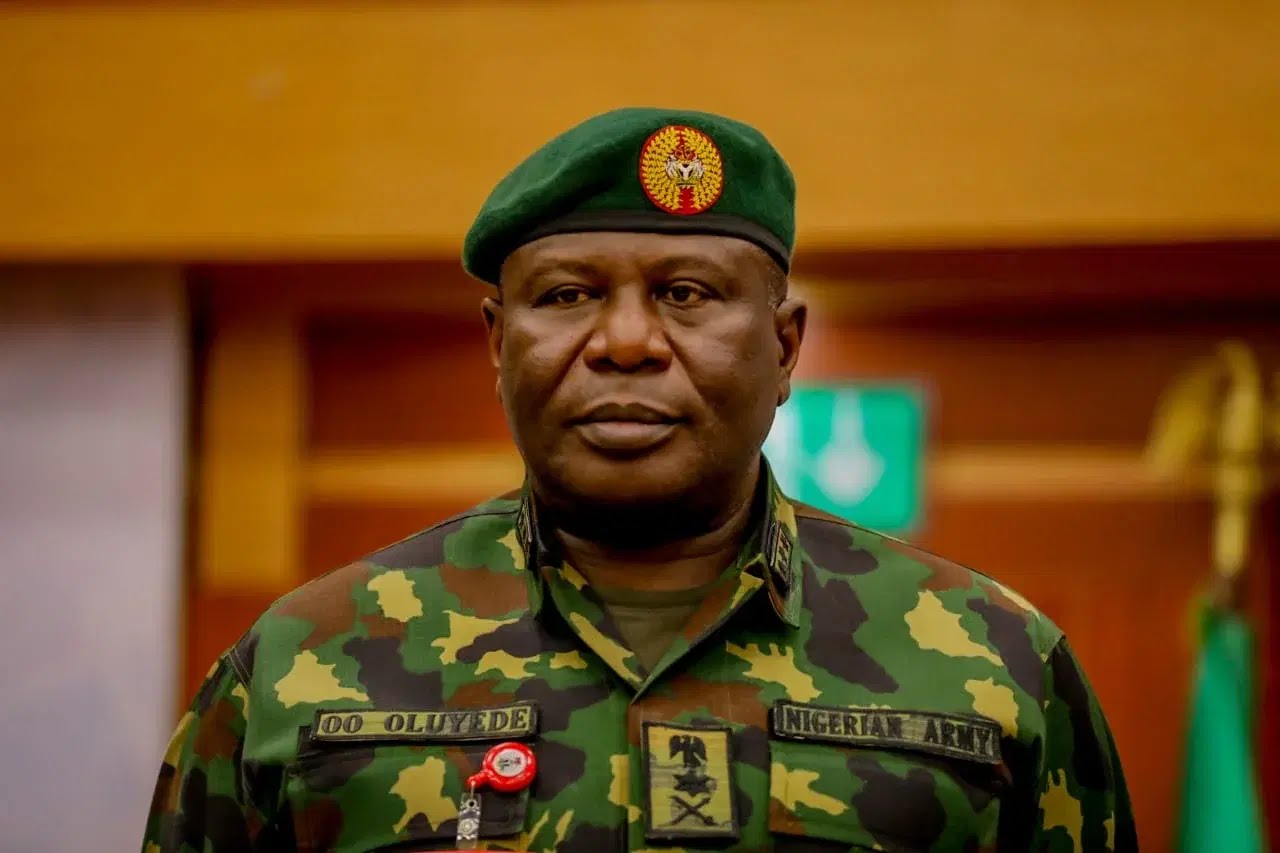
According to the statement titled “Tinubu Changes Service Chiefs,” the President appointed General Olufemi Oluyede as the new Chief of Defence Staff, succeeding General Christopher Musa, who has served in the position since 2023.
Other newly appointed Service Chiefs include Major-General W. Shaibu as Chief of Army Staff, Air Vice Marshal S.K. Aneke as Chief of Air Staff, and Rear Admiral I. Abbas as Chief of Naval Staff. The Chief of Defence Intelligence, Major-General E.A.P. Undiendeye, retains his position in the new lineup.
The President, in the statement, expressed his deep appreciation to the outgoing Chief of Defence Staff and the other former Service Chiefs for their dedicated leadership, sacrifice, and patriotic service to the nation.
“The President, Commander-in-Chief of the Armed Forces, expresses profound appreciation to the outgoing Chief of Defence Staff, General Christopher Musa, and other Service Chiefs for their patriotic service and dedicated leadership,” the statement read in part.
President Tinubu charged the new military chiefs to justify the confidence reposed in them by building upon the gains made by their predecessors and intensifying efforts in safeguarding the territorial integrity of the country.
He urged them to “further enhance the professionalism, vigilance, and camaraderie that define Nigeria’s Armed Forces,” emphasizing the need for unity, discipline, and innovation in confronting emerging threats such as terrorism, banditry, cybercrime, and oil theft.
Background to the Reshuffle
The latest appointments come amid heightened calls from security analysts and stakeholders for a restructuring of Nigeria’s military leadership to inject fresh energy and perspectives into the fight against insecurity. Over the past few years, the country has faced persistent challenges ranging from insurgency in the North-East to banditry, kidnapping, and communal clashes across several regions.
General Oluyede, the new Chief of Defence Staff, is regarded as a seasoned military strategist with decades of experience in counter-terrorism operations and joint task force coordination. His appointment, observers say, reflects the President’s desire for a more results-oriented leadership approach within the military establishment.
Major-General Shaibu, now Chief of Army Staff, has served in several key command positions and is known for his operational discipline and field experience. Air Vice Marshal Aneke, the new Chief of Air Staff, brings a strong background in air operations and logistics management, while Rear Admiral Abbas has earned a reputation for efficiency in maritime security and naval intelligence.
Implications and Next Steps
Security experts believe the new appointments could mark the beginning of a fresh phase in the government’s efforts to restore public confidence in the military and improve coordination between the different branches of the Armed Forces.
The changes are also expected to align with the administration’s broader national security strategy, which includes reforms in intelligence gathering, inter-agency collaboration, and modernization of military equipment and technology.
In addition to reinforcing the chain of command, the move is seen as a step toward fulfilling the President’s campaign promise to revamp Nigeria’s security apparatus and deliver lasting peace and stability to all parts of the country.
Public Reaction
While official reactions from defence circles remain measured, early comments from political observers and civil society groups have largely welcomed the reshuffle. Some have described it as a timely intervention aimed at injecting “new blood” and “renewed momentum” into the military’s operational command.
Security commentator Dr. Hassan Umar, speaking on a television programme in Abuja, noted that “Nigeria’s security environment is dynamic and demands constant adaptation. President Tinubu’s decision demonstrates responsiveness to the realities on the ground and a commitment to proactive leadership.”
Conclusion
With the appointments taking immediate effect, expectations are high that the new Service Chiefs will swiftly settle into their roles and outline a clear strategy for addressing Nigeria’s pressing security concerns.
The reshuffle, according to insiders at the Presidential Villa, reflects President Tinubu’s hands-on approach to governance and his determination to ensure that the Armed Forces remain a pillar of national unity, stability, and resilience.
Further details on the official handover ceremonies and portfolios of the newly appointed officers are expected in the coming days.
