

By Peter Omopo
Vatican City – Bells rang across St. Peter’s Square on Sunday as Pope Leo XIV canonised seven new saints in a grand ceremony at the Vatican, marking one of the most diverse canonisations in recent Church history.
Among the newly declared saints are the first saint from Papua New Guinea, an Armenian archbishop martyred during the 1915 genocide, and a Venezuelan “doctor of the poor.”
The canonisation, held on World Mission Sunday, drew an estimated crowd of 55,000 worshippers who gathered under sunny skies in St. Peter’s Square to witness the solemn event.
“Today we have before us seven witnesses, the new Saints, who, with God’s grace, kept the lamp of faith burning,” Pope Leo XIV declared in his homily. “May their intercession assist us in our trials and their example inspire us in our shared vocation to holiness.”
Large portraits of the seven new saints were unfurled from the windows overlooking the square as the Pope, dressed in a white cassock and mitre, led a procession of bishops and cardinals.
Cardinal Marcello Semeraro, Prefect of the Dicastery for the Causes of Saints, read the official biographies of the newly canonised before the Pope pronounced the traditional canonisation formula, officially declaring them saints of the Catholic Church.
This ceremony marked Pope Leo’s second canonisation rite since becoming head of the Catholic Church on May 8, 2025. His first, held last month, included the canonisation of Italian teenager Carlo Acutis, dubbed “God’s Influencer,” and Pier Giorgio Frassati, a model of youthful charity.
The New Saints
Those elevated to sainthood on Sunday include:
- Peter To Rot, a lay catechist from Papua New Guinea who was executed by Japanese forces during World War II for defending Christian marriage. He is now the country’s first saint.
- Ignazio Choukrallah Maloyan, an Armenian bishop martyred during the Ottoman Empire’s genocide in 1915.
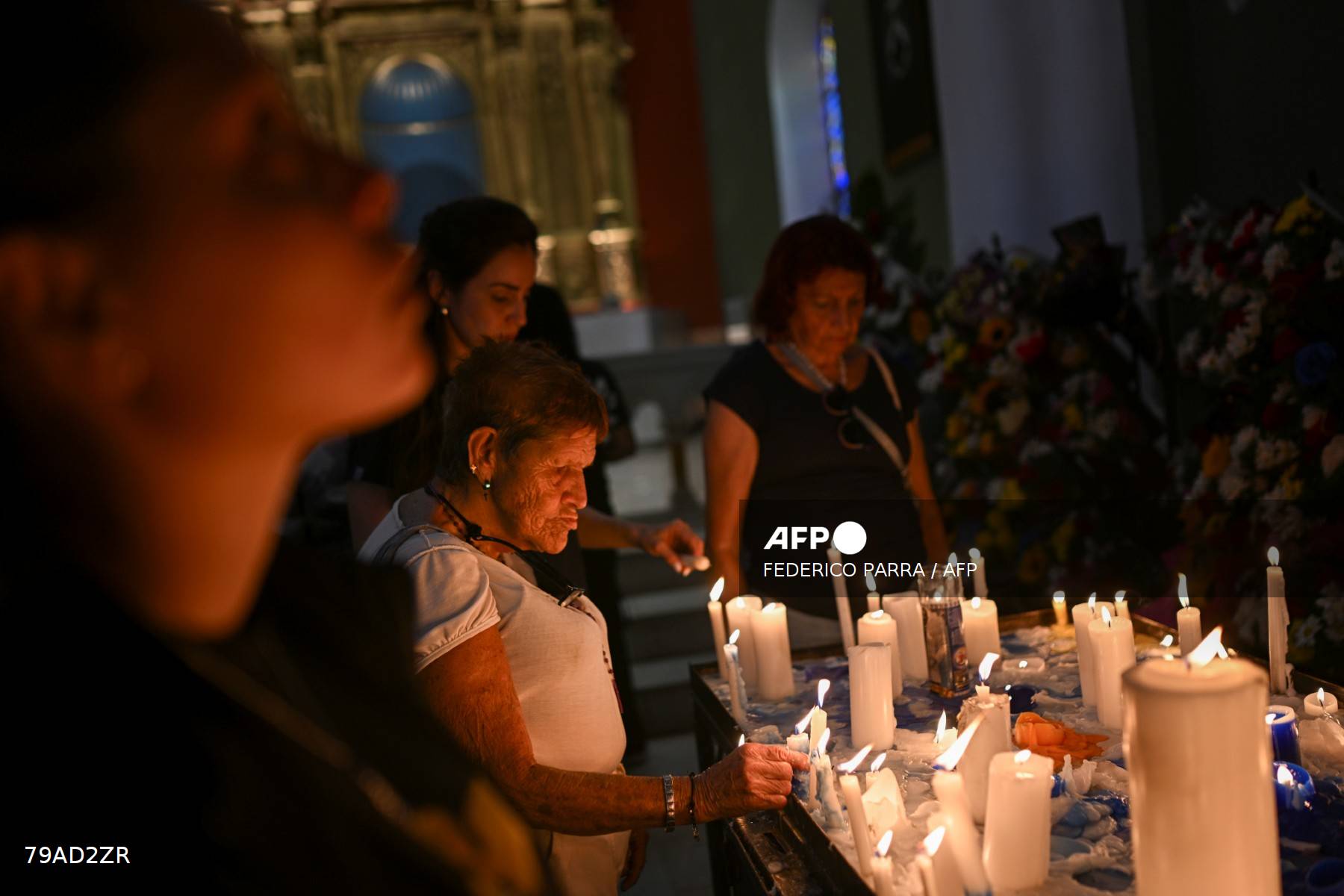
- Dr. Jose Gregorio Hernandez Cisneros, a Venezuelan physician known as the “doctor of the poor,” who dedicated his life to serving the sick and destitute before his death in 1919.
- Sister Maria Carmen Elena Rendiles Martinez, also from Venezuela, who was born without a left arm but went on to found the Congregation of the Servants of Jesus before her death in 1977, becoming the country’s first female saint.
- Bartolo Longo, an Italian lawyer and former Satanic priest who converted to Catholicism and founded the Pontifical Shrine of the Blessed Virgin of the Rosary of Pompeii.
- Vincenza Maria Poloni, founder of the Institute of the Sisters of Mercy of Verona, which focuses on caring for the sick in hospitals.
- Maria Troncatti, of the Daughters of Mary Help of Christians, who devoted her life to missionary work among Ecuador’s indigenous people in the 1920s.
Faith and Martyrdom
In his sermon, Pope Leo described the group as “martyrs for their faith, evangelisers, founders, and benefactors of humanity,” noting that their diverse lives represent the universal reach of the Church’s mission.
Canonisation, the final step toward sainthood in the Catholic tradition, requires proof of at least two miracles attributed to the candidate’s intercession, as well as evidence of a virtuous Christian life.
Sunday’s ceremony was celebrated as a historic moment for the global Catholic community, highlighting the Church’s growing recognition of holiness beyond Europe — from South America to Oceania.
The Vatican described the canonisation as a “celebration of faith, courage, and compassion,” underscoring Pope Leo’s commitment to promoting models of sanctity from all corners of the world.
