

By Sola Ojewusi
The death of the 46th Awujale of Ijebuland, Oba Sikiru Kayode Adetona, after an extraordinary 65-year reign, has opened the gates to a royal contest unlike any in living memory. For the first time in over two and a half centuries, serious conversations are being held about the possibility of a female Awujale. But as the drums of change beat louder, an equally forceful counter-rhythm of caution echoes across Ijebuland.
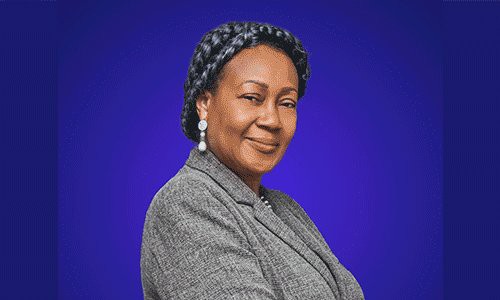
At the centre of the debate is Dr. Oluwakemi Onanuga, a lawyer of distinction and a descendant of the Fusengbuwa Ruling House, which now holds the turn to present candidates for the throne. Her supporters point to her distinguished career, international exposure, and links to Oba Adesimbo Tunwase I (1886–1895) as evidence of legitimacy. Yet others quietly question whether royal blood through the female line is enough to satisfy tradition in a culture where most Yoruba royal successions remain patrilineal.
Tradition Versus a Modern Reading of History
The Ijebu chieftaincy declarations of 1957, which guide succession, state a preference for male candidates but do not explicitly bar women. Historians also remind doubters that Ijebuland once enthroned women—Oba Gadegun (1644), Oba Ore Jeje (1749) and Oba Sapennuwa Ruwa Koye (1750). To some, these precedents suggest that gender is not an immovable barrier.
Yet critics argue that those reigns occurred in a very different era, before the crystallization of today’s succession norms. “The Fusengbuwa house may put forward a female name,” one elder observed, “but the customs have hardened over centuries. Lineage today is traced through the male bloodline. That is the reality the kingmakers cannot ignore.”
The Female Line Question
Much of the debate around Dr. Onanuga’s candidacy revolves not only around her gender but her maternal link to the throne. Though her mother descends from the Fusengbuwa house, traditionalists insist that Yoruba royal inheritance is typically passed through the father’s line. “She is undoubtedly of royal stock,” a prominent Ijebu chief conceded, “but whether the female line can produce an Awujale in this century is a different matter.”
Such voices warn that breaking the patrilineal mould could trigger challenges from other branches of the ruling house or even from rival houses in future. They caution that the Awujale stool, a symbol of Ijebu unity, must not be thrown into prolonged litigation or factional disputes.
The Lure of Global Symbolism
On the other side of the argument are those who believe a female Awujale would not only be lawful but transformative. U.K.-based cultural commentator Angie Speaks has spoken of the international attention a female monarch would attract, linking the idea to the legend of Queen of Sheba (Bilikisu Sungbo) whose burial site is in Ijebu Ode. “The first African queen of a major Yoruba kingdom would electrify the Black diaspora,” she said.
Supporters also cite Dr. Onanuga’s record as a lawyer, UN Lifetime Goodwill Ambassador, and participant in international governance projects as qualities suited for a modern monarchy. To them, the stool should be about capability, not gender or strict lineage.
The Kingmakers’ Dilemma
Ijebu tradition prides itself on balancing respect for custom with a capacity for adaptation. Oba Adetona himself was known for progressive thinking, but he also upheld the core rituals of the stool. The kingmakers must now decide whether this is the moment to rewrite the unwritten rule of male succession or to reaffirm the centuries-old order.
As one political analyst framed it, “The choice before the kingmakers is not simply about Dr. Onanuga. It is about whether Ijebuland is ready to revolutionize a male-dominated tradition. If they select a woman, they create a precedent that future generations cannot ignore. If they do not, they maintain the delicate stability that has preserved the Awujale stool for centuries.”
History Awaits
The coming months will reveal whether Ijebu will stay the familiar course or dare to chart a new path. A female Awujale is not forbidden, but neither is it a simple matter of merit or modern sentiment. The decision will test the balance between progress and preservation—between a people’s proud past and the unpredictable demands of the present.
Whether Dr. Onanuga’s name ultimately carries the day or not, her emergence has already forced Ijebuland to confront a question larger than one candidacy:
Can a centuries-old lacuna of male domination truly be broken, or will the rhythms of tradition continue to hold sway?
